How Faith in Motion Performance Therapy treats Piriformis Syndrome and Sciatica
What Is Piriformis Syndrome?
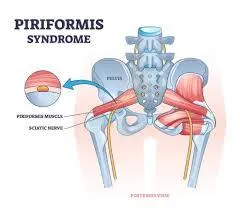
The piriformis is a small, deep muscle located in the buttock beneath the glute muscles. Its primary role is to assist with external rotation of the hip. Piriformis Syndrome occurs when this muscle becomes tight, irritated, or goes into spasm, leading to compression of the sciatic nerve, which runs either beneath or, in some people, through the piriformis muscle.
The Two Types of Piriformis Syndrome
1. Primary Piriformis Syndrome
Primary Piriformis Syndrome is caused by anatomical variations involving the piriformis muscle or the sciatic nerve. These structural differences can increase the likelihood of nerve compression.
Common anatomical variations include:
The sciatic nerve passing through or splitting around the piriformis
Abnormal shape or size of the piriformis muscle
Congenital (from birth) structural differences
2. Secondary Piriformis Syndrome
Secondary Piriformis Syndrome is more common and results from functional problems or trauma rather than anatomy.
Common causes include:
Muscle overuse
Muscle spasms
Inflammation
Gluteal weakness
Biomechanical dysfunction
Prolonged sitting
Repetitive activities
Direct injury to the buttock or hip
Signs and Symptoms of Both Types
Deep buttock pain
Pain radiating down the back of the thigh
Pain worsened by sitting, climbing stairs, or hip rotation
Tenderness over the piriformis muscle
Numbness or tingling along the sciatic nerve pathway
Treatment Options
For Primary Piriformis Syndrome
Gentle stretching and mobility exercises
Sciatic nerve gliding techniques
Pain management strategies, including heat and NSAIDs
individualized plans to address anatomical compression and improve comfort
For Secondary Piriformis Syndrome
Targeted piriformis stretching
Hip mobility work
Gluteal strengthening to improve stability
Core stabilization
treatment plans that correct movement dysfunction and reduce muscle irritation
How Faith in Motion Can Help
Faith in Motion offers personalized treatment plans based on the type of piriformis syndrome you’re experiencing. Our approach may include:
Dry needling with E-stim for pain control
Stretching and joint mobilization to restore range of motion
Strengthening exercises tailored to correct weakness or imbalance
Our goal is to relieve your symptoms, improve mobility, and help you return to pain-free movement.