Help For Pelvic Floor Sciatica in Hurricane, WV
Is Your “Sciatica” Coming From the Pelvic Floor?
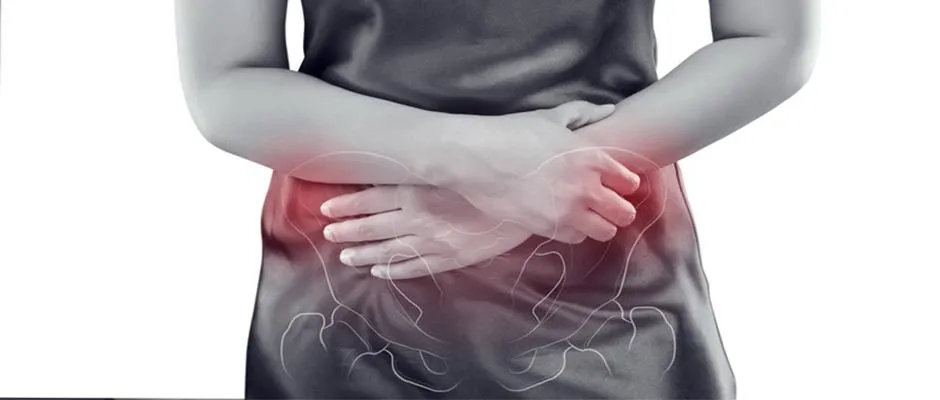
Not all sciatic pain starts in the spine.
For many people—especially active individuals, postpartum patients, and those with prolonged sitting or high training loads—the source of deep hip or sciatic-type pain is the obturator internus, a key pelvic floor–adjacent muscle.
What Is the Obturator Internus (OI)?
The obturator internus is a deep hip rotator that:
Lives inside the pelvis
Assists with hip stability and rotation
Works closely with the pelvic floor
Sits directly next to the sciatic nerve
When this muscle becomes overactive, tight, or poorly coordinated, it can irritate the sciatic nerve—creating pain that mimics classic sciatica.
Signs Your Sciatic Pain May Be OI-Related
You may notice:
Deep buttock or hip pain
Pain that worsens with sitting or transitions
Symptoms without clear lumbar spine findings
Pain reproduced with hip rotation
Relief with movement—but flare-ups with fatigue
Coexisting pelvic floor symptoms (leaking, pain, pressure)
This is often called pelvic floor–related sciatica.
Why the Obturator Internus Gets Irritated
Common contributors include:
Pelvic floor over-tension
Poor core and hip coordination
Prolonged sitting
Pregnancy or postpartum changes
High-volume training or unilateral sports
Stress and nervous system up-regulation
This is rarely a single-structure problem—it’s a system issue.
Exercises for Relief (Coordination > Stretching)
These exercises focus on relaxation, control, and hip-pelvic coordination, not aggressive stretching.
1. 90/90 Breathing
Lie on your back with hips and knees bent, feet on wall or chair
Inhale through your nose, expanding ribs
Exhale slowly, letting pelvic floor soften
5–8 slow breaths
✔️ Reduces tone and improves pelvic floor control
2. Figure-4 Hip Opener (Gentle)
On your back, cross one ankle over opposite knee
Gently draw legs toward chest
Keep breathing—no forcing
Hold 20–30 seconds
✔️Targets deep hip rotators without nerve irritation
3. Seated Hip Internal Rotation Control
Sit tall with feet wider than hips
Slowly rotate one knee inward, then return
Keep pelvis still
8–10 reps per side
✔️ Improves obturator internus coordination
4. Quadruped Rock-Backs
Hands and knees, neutral spine
Slowly rock hips back toward heels
Maintain relaxed breathing
10–12 reps
✔️Decreases pelvic floor guarding and hip tension
When Exercise Alone Isn’t Enough
If symptoms persist, pelvic floor physical therapy can help by:
✔️ Assessing pelvic floor tone and coordination
✔️ Addressing obturator internus trigger points
✔️ Improving hip and core strength balance
✔️ Modifying lifting, sitting, and training strategies
✔️ Calming the nervous system
True relief comes from treating the cause—not just chasing the nerve pain.
Sciatic Pain Isn’t Always a Spine Problem
If your sciatica hasn’t responded to traditional care, the pelvic floor—and specifically the obturator internus—may be the missing piece.
Pelvic floor physical therapy offers a targeted, whole-body approach to lasting relief.
📩 Contact us to learn more or schedule an evaluation