Pelvic Floor PT After Pregnancy | Hurricane, WV
Pelvic Floor Physical Therapy After Pregnancy: What Every New Mom Should Know
You've carried a baby for nine months, gone through delivery, and now you're running on very little sleep. It's no surprise that your body feels different. But if you're leaking when you sneeze, feeling pressure "down there," or your core just doesn't seem to come back no matter how many crunches you try, those changes aren't something you simply have to live with.
Pelvic floor physical therapy after pregnancy can help. Here's what it is, what it can help with, and how to know when it's time to get checked out.
What Your Pelvic Floor Does (and Why Pregnancy Affects It)
Your pelvic floor is a group of muscles that sits like a hammock at the bottom of your pelvis. These muscles support your bladder, bowel, and uterus, help control when you pee, and work together with your deep abdominal muscles and diaphragm to stabilize your trunk.
During pregnancy, those muscles carry extra weight for months. Hormones loosen the tissues to prepare for birth. Then delivery itself, whether vaginal or by C-section, puts its own demands on the area. Your abdominal wall also stretches to make room for your baby, which can leave a separation down the middle of the belly (often called diastasis recti).
None of this means something is "broken." It means your body went through a major event and may need some guided help to get strong and coordinated again.
Common Postpartum Symptoms That Are Common, But Not Normal
Many moms are told these things are just part of having a baby. They're common, but that doesn't mean you have to accept them:
Leaking urine when you cough, sneeze, laugh, jump, or run
A sudden, strong urge to pee, or needing to go much more often
Heaviness or pressure in the pelvis or vagina, especially at the end of the day
Pain with intercourse after you've been cleared to return to it
A gap or bulge down the middle of your belly that doesn't seem to go away
Low back, hip, or pelvic pain that lingers after delivery
Trouble getting back to exercise, like running, lifting, or classes, without symptoms
And remember: once postpartum, always postpartum. Whether your baby was born six weeks ago or six years ago, these symptoms are still worth addressing.
What Pelvic Floor PT After Pregnancy Looks Like
A lot of women are nervous before their first visit because they don't know what to expect. Here's the general idea.
It starts with a conversation. Your physical therapist will ask about your pregnancy and delivery, your symptoms, and, most importantly, what you want to get back to. That might be picking up your toddler without back pain, running a 5K, or simply making it through a workout without leaking.
Then a thorough assessment. Your PT will look at your posture, breathing, core, hips, and how you move. Depending on your symptoms and comfort level, this may include an internal pelvic floor assessment. That part is always explained first and is always your choice.
Then a plan built around you. Treatment often includes breathing and core retraining, pelvic floor strengthening (or relaxing, since some women have muscles that are too tight rather than too weak), hands-on techniques, and a progression back to the activities you love. It's not just Kegels. In fact, Kegels alone aren't the right answer for everyone, which is one reason an individual assessment matters.
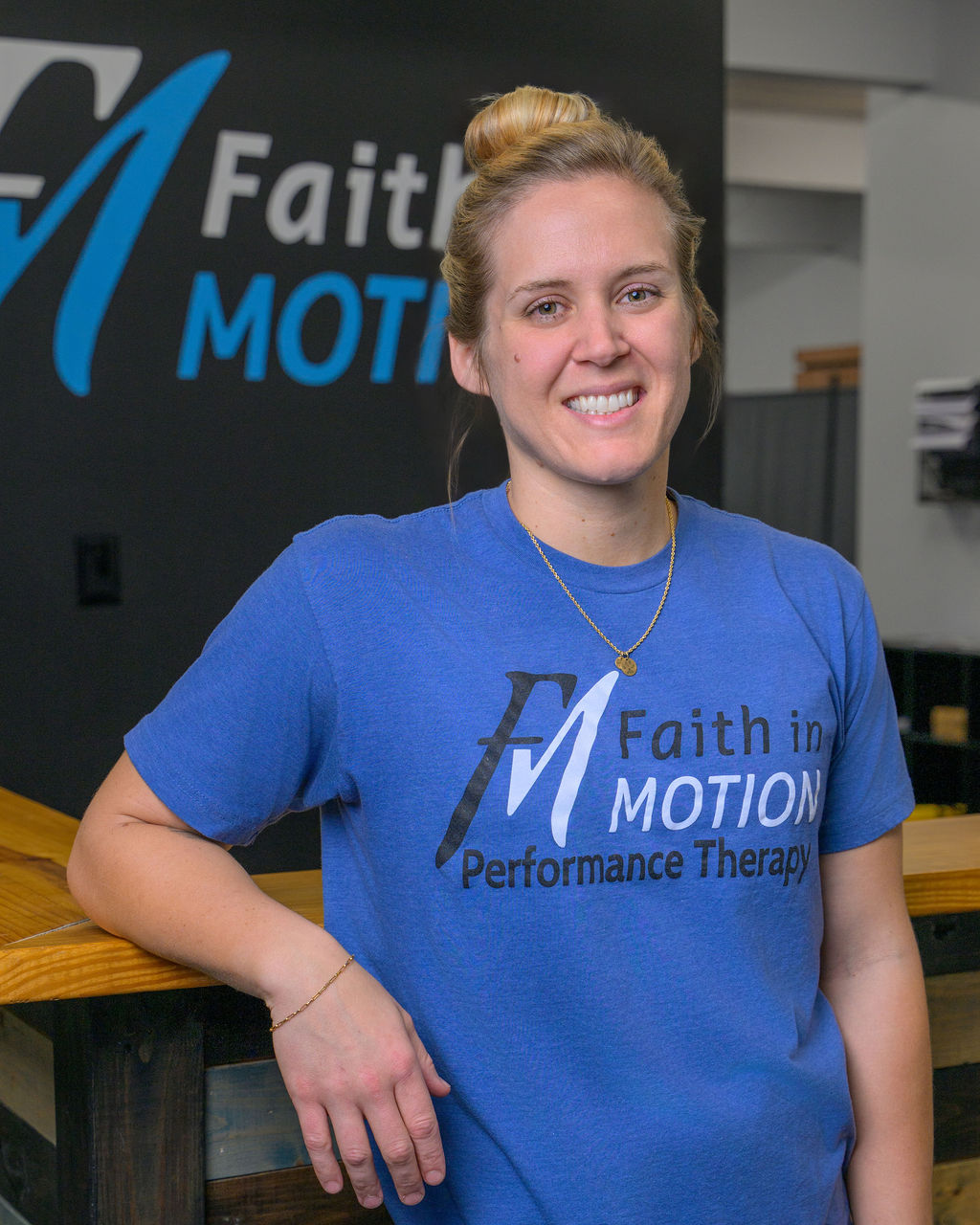
At Faith in Motion in Hurricane, WV, pelvic health care for women is provided by Dr. Lindsey and Dr. Delaney. Visits are 1-on-1 for 40-60 minutes.
When to See a Pelvic Floor PT, and When to See a Doctor First
It's a good idea to schedule a pelvic floor PT evaluation if:
You have any of the symptoms listed above
You want guidance getting back to running, lifting, or high-impact exercise
You're not sure if your core exercises are helping or making things worse
You're planning another pregnancy and want to feel stronger going in
Many moms start pelvic floor PT once they've had their postpartum checkup and been cleared by their OB or midwife. If you're unsure about timing, ask your provider or give us a call.
Contact your doctor right away if you have heavy or increasing bleeding, fever, severe or worsening pelvic or abdominal pain, signs of infection at an incision or tear, pain or swelling in one leg, chest pain or shortness of breath, or sudden loss of bladder or bowel control. These need medical attention before physical therapy.
Getting Started in Hurricane and Teays Valley
You don't have to wait for symptoms to "go away on their own," and you don't have to figure it out alone. Pelvic floor physical therapy gives you a clear plan and a professional in your corner as you get back to feeling like yourself.
We're in-network with BCBS/Anthem and PEIA, and we offer private pay and superbill options for other plans.
Learn more about our pelvic health physical therapy services (https://faithinmotionpt.com/services---pelvic-health), or take the next step today: call 304-760-9664 or request an appointment at [faithinmotionpt.com](https://faithinmotionpt.com). We'd love to help you get back to the activities and people you love, with confidence.
This article is for general education and is not a substitute for medical advice. Please talk with your healthcare provider about your specific situation.